Phase 1
Days 1–14
Launch The Foundation
We learn the business, secure access, map the website and campaigns, begin production, and strengthen the local foundation.

The first three months with a marketing agency should not feel like a waiting room.
You should know what is being built, why it matters, what your team needs from you, and how each step supports the next one. You should also know which channels can move quickly and which need time to earn authority. We use the first 90 days to understand the business, build the marketing foundation, launch the right demand channels, measure what happens, and create a clear plan for the next stage of growth.
Day 1 is a 90-minute onboarding session with the people responsible for your growth — not a form to fill in and a promise to call you back.
Same-day repair for homeowners in your service area.
Call NowA roadmap instead of a waiting period. Here is the work that runs inside it, and roughly when each piece lands.
Your market, service mix, differentiators, goals, capacity, current lead sources and sales process — in one sitting, with the people who will do the work.


























HVAC and home-services contractors we build for. Every one of them started on this same 90-day roadmap — the onboarding, the access, the launch sequence, the Day 90 review.
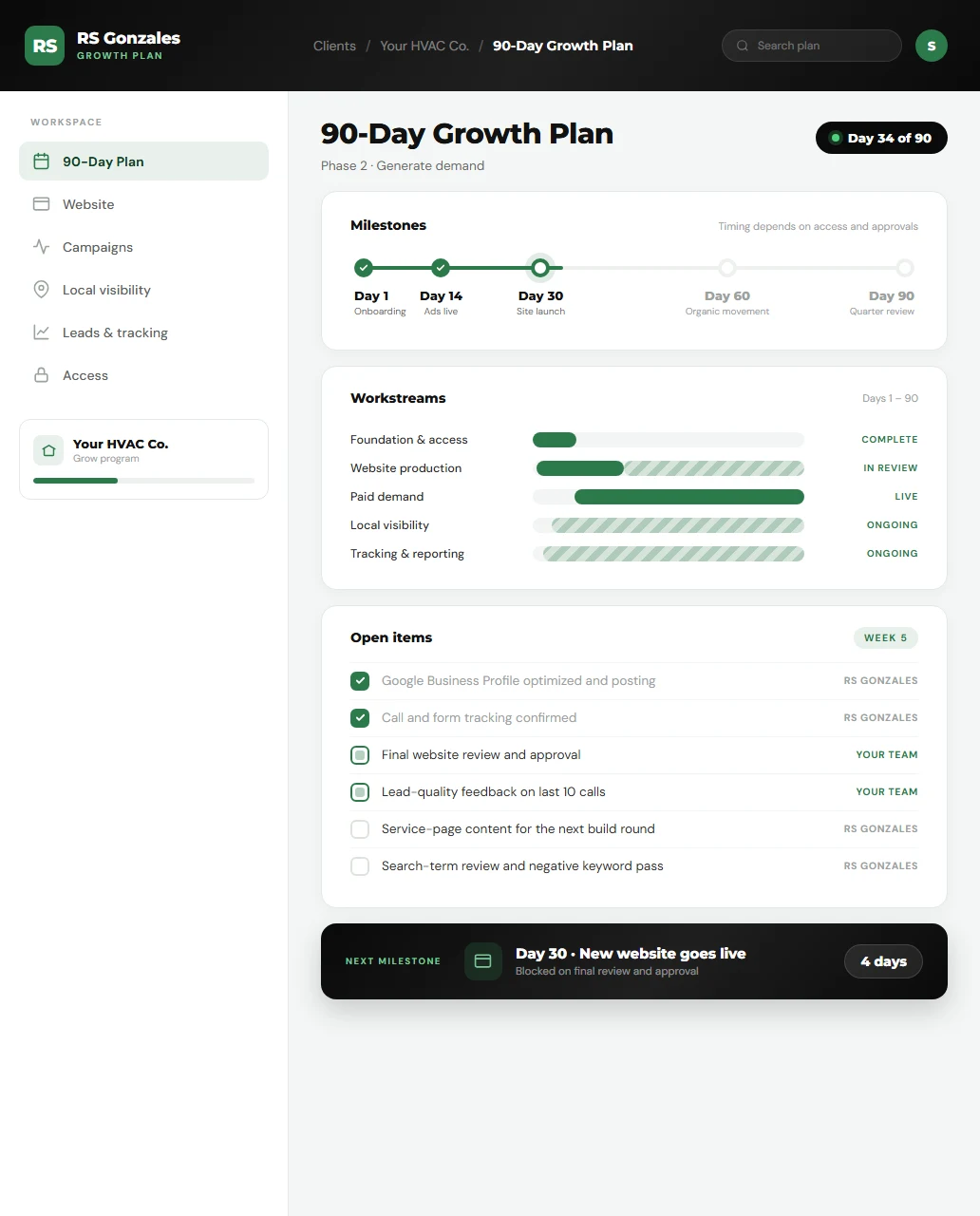
The RS Gonzales 90-Day Growth Plan is the roadmap we use to turn an HVAC contractor's disconnected marketing into an operating system. It covers onboarding, access, website production, local visibility, paid campaign launches, measurement, optimization, and the priorities that follow Day 90.
It is not a 90-day campaign that ends when the calendar runs out. It is the opening stage of a longer growth strategy.
Paid advertising can begin producing data quickly. A new website can launch within the first month when access and approvals stay on schedule. SEO, reputation, Google Maps visibility and AI search authority build through consistent work over time.
We learn the business, secure access, map the website and campaigns, begin production, and strengthen the local foundation.
We launch the paid channels that fit, begin collecting lead and campaign data, and move the new website toward launch.
We improve campaigns, track lead quality, build organic visibility, strengthen the website, and use the evidence to plan what comes next.
Market conditions, account access, approval speed, existing assets, budget and channel fit can change the exact sequence. The milestones stay clear while the strategy stays responsive.
The first 90 days determine whether the agency understands your business or simply starts completing tasks.
HVAC companies are not interchangeable. A one-truck startup in Ohio needs a different opening plan than a multi-location contractor trying to reduce dependence on paid leads. A residential service company has different demand patterns than a commercial contractor with longer sales cycles.
Launching every channel at once can create noise without clarity. We first identify the markets, services, margins, capacity, differentiators, existing strengths, and the points where leads are being lost.
If calls, forms, sources and lead outcomes are not tracked from the beginning, later reports cannot tell you what produced value. The first month establishes the measurement foundation we need to make better decisions.
Paid campaigns can create earlier demand while the website, SEO, Google Business Profile, reviews, citations, content and AI visibility gain strength. The plan gives each channel a role instead of asking one tactic to carry the entire business.
Ads, search results, social profiles, email and referrals eventually send people to your site. The first 30 days focus heavily on making that destination clear, credible, mobile-friendly and ready to support future content.
It is the one asset every other channel spends money pointing at. When it is weak, every channel pays for it.
Day 90 is not a finish line. It is the point where the foundation, active campaigns and first performance patterns are clear enough to guide the next quarter.
The timeline below shows the core milestones. Some work happens in parallel, and exact timing depends on how quickly access and approvals are completed.
Your plan begins with a 90-minute onboarding session with the people responsible for your growth. We learn your market, service mix, differentiators, goals, capacity, current lead sources, sales process, and the pressure points that need attention first.
This is where we begin mapping the website, campaigns, local visibility, tracking and message. Your team should leave knowing who owns what and what is expected next.
An in-depth SEO audit and brand discovery meeting. We dig into how you speak, what you believe, the customers you want more of, the work you want less of, and the language your best customers use. That conversation defines your ideal customer profile, builds your brand brain, trains the writing agent around your voice, and produces copy that sounds like your company.
Copy and design start from the strategy established during onboarding. We plan the pages, message, offers, proof, calls to action and visual direction around conversion, local trust, SEO and future AI visibility.
The work is not limited to making the site look newer. It is about giving every channel a stronger destination.
We guide you through access to the accounts and tools the plan needs. You are not handed a technical checklist and left alone. We help identify what exists, what is missing, and the safest way to grant access without sharing passwords unnecessarily.
The team turns onboarding information into working plans. We study the market, service priorities, local competition, current website, existing campaigns, customer language and available performance data.
Website architecture and campaign structure take shape during this window. We also identify gaps that could delay launch, such as missing service information, unclear offers or account verification requirements.
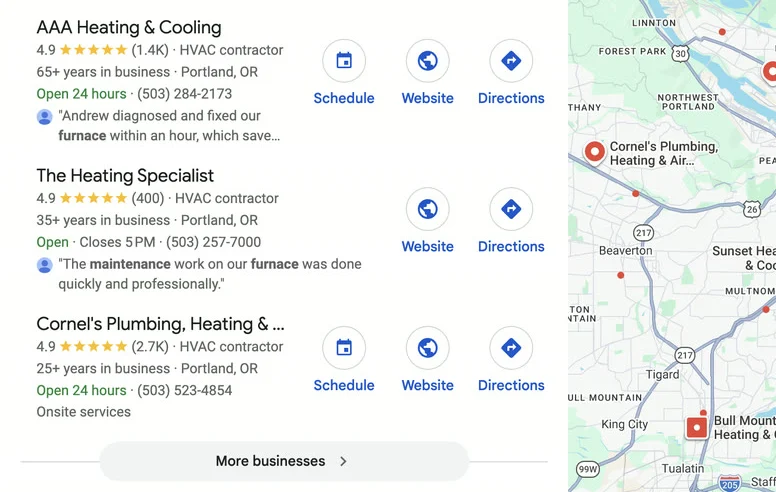
Your Google Business Profile is reviewed and optimized around the business, services, categories, locations and customer journey. Posting begins, and citation or directory work moves forward where it supports the local strategy.
Reputation, location consistency, website signals and Google Business Profile activity need to reinforce one another. Day 7 is the start of that ongoing work, not a one-time profile edit.
Website production continues while paid campaigns, tracking, landing paths and local signals are prepared. The team checks that the message in an ad will match the page a homeowner reaches.
Your feedback matters here. Fast, focused approvals help protect the launch timeline and keep production moving.
Google Pay-Per-Click and Local Services Ads can launch when they fit the market, budget, account status and growth goals. Some accounts may use both. Others may begin with one channel or require verification before launch.
Going live is the start of learning, not the end of campaign work. Search terms, calls, lead quality, costs and conversion behavior begin creating the data we need.
The team monitors delivery, search terms, budget pacing, lead activity, tracking and account issues. Early data helps us identify wasted clicks, weak queries, missing services or landing-page friction.
We do not overreact to one day of data. We look for patterns while addressing obvious problems quickly.
Many accounts begin seeing leads from active paid campaigns during this period, but lead timing and volume depend on budget, demand, seasonality, market competition, account approval and service coverage.
The milestone is not a guarantee of a specific lead count. It is the point where the first usable performance signals can begin informing changes.
The website moves through review, mobile checks, technical quality assurance, tracking checks and final approvals. Campaigns continue gathering data while the team improves targeting and confirms lead sources.
When content, design, access and approvals stay on schedule, the new website launches mobile-optimized, conversion-focused and prepared for SEO growth.
Launch day is the beginning of the website's working life. Service pages, location content, case studies, links, technical improvements and conversion changes continue after launch.
Google Ads commonly needs time to learn which searches, audiences, offers and bidding decisions produce useful leads. Around this stage, early volatility may begin settling as the account gathers more conversion data.
Cost per lead can improve as targeting and performance stabilize, but no responsible agency can promise that every market follows the same curve.
By this point, the website, Google Business Profile, citations, content, reputation work and technical changes have had more time to be crawled, indexed and evaluated.
Some accounts begin seeing clearer movement in rankings, impressions, Maps visibility, website engagement and organic lead activity. SEO progress varies by starting point, competition, location and the authority already attached to the business.
By Day 90, the core system is operating: the website is live, selected campaigns are active, local visibility work is underway, tracking is collecting data, and the team has a clearer picture of lead quality and channel behavior.
We review what launched, what produced useful signals, what needs more time, where friction remains, and what the next 90 days should prioritize.
The day milestones show the major handoffs. This weekly view shows how the work develops between them.
This is a working roadmap, not a sequence of tasks completed once and forgotten. Campaign management, Google Business Profile activity, content, technical upkeep, reputation work, reporting and strategic decisions continue throughout the 90 days.
The plan is designed to remove technical burden from your team, but the strongest launches still depend on timely business input.
We need to understand the services you want more of, the work you would rather avoid, the markets you can serve, your margins, capacity, seasonality, and what has disappointed you before.
Website, domain, Google, advertising, analytics, tracking and CRM access can affect timing. We guide the process, but accounts owned by past vendors or tied to old emails may take time to recover.
Your feedback keeps the website and campaigns accurate. One clear decision-maker usually helps reviews move faster and prevents conflicting direction.
A form submission is not automatically a good opportunity. Your team helps us understand which calls were qualified, which jobs sold, what customers asked, and where the sales process struggled.
Marketing can create demand. Your team still needs to answer, respond, schedule, estimate, follow up, and deliver the service that earns the next review.
We still need your knowledge of the business to make that work accurate.
Day 90 should bring clarity, operating infrastructure, and enough performance evidence to make the next decisions with more confidence.
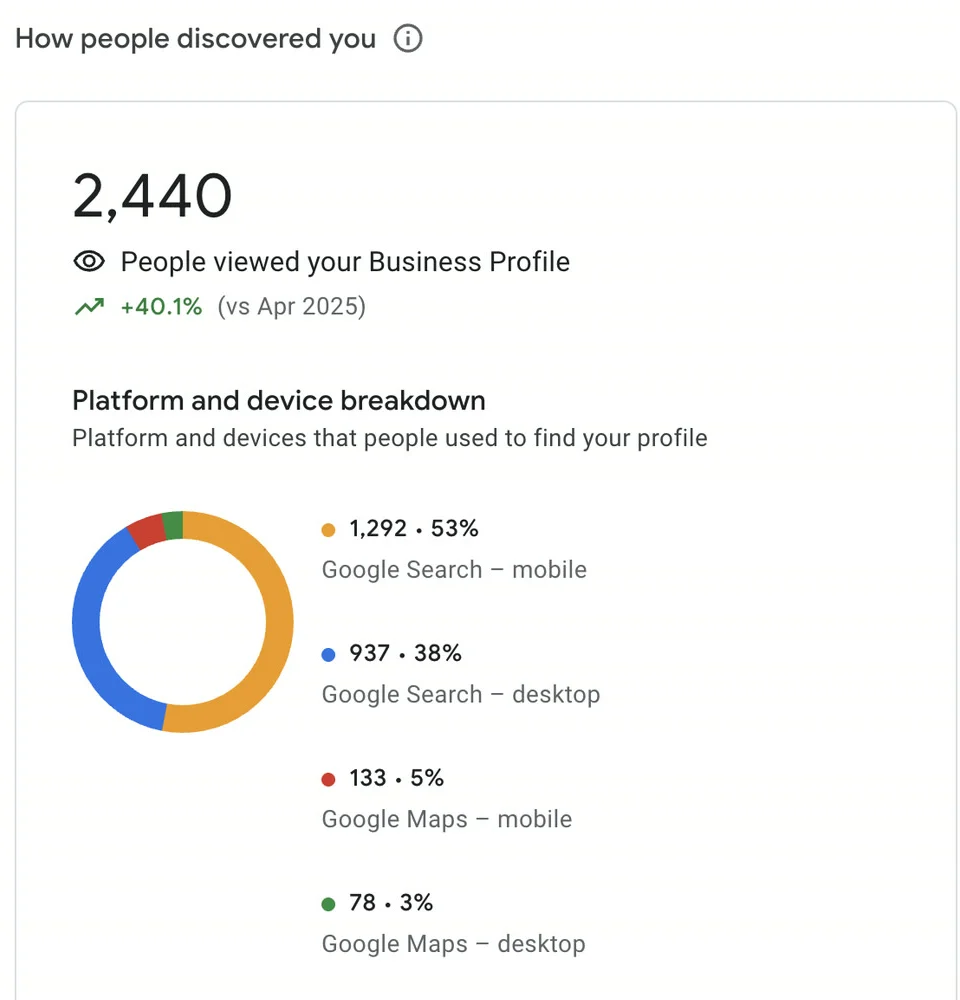
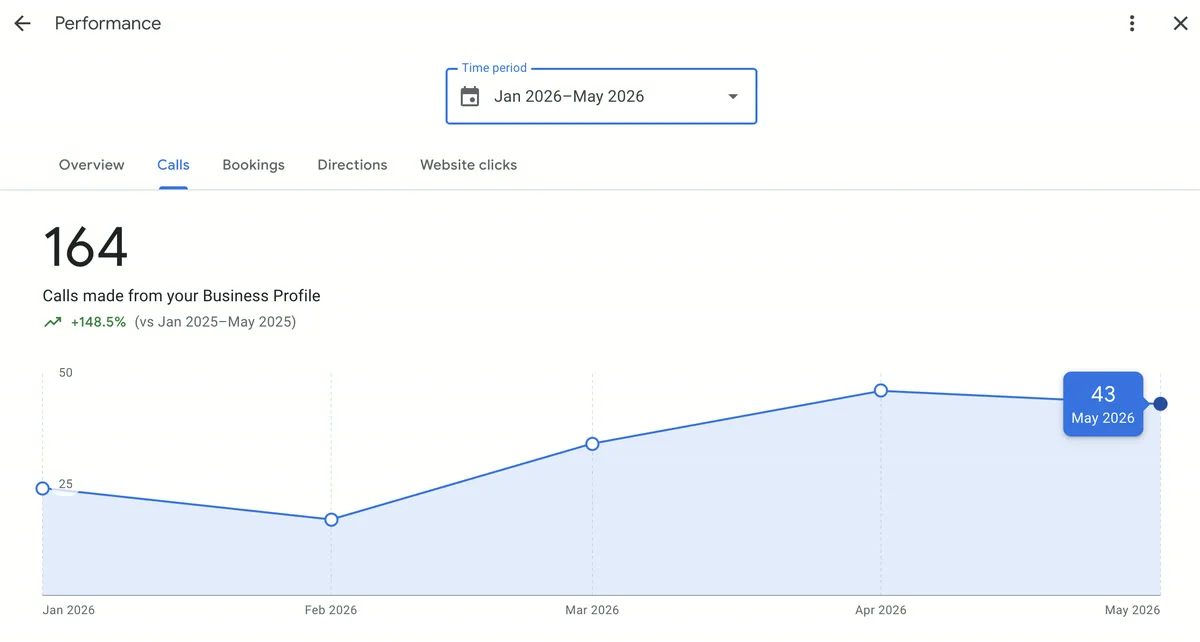
By the end of the first quarter the profile, the site and the campaigns have been feeding each other long enough that the call volume starts to have a shape — and tracking that was set up in month one is what lets you read it.
This is a real Business Profile performance panel from a managed account: calls made directly from the profile, measured against the same window a year earlier.
Any agency can sell you a number. This is the list we say out loud before you sign, because the first quarter builds a system — it does not finish one.
The goal of the opening 90 days is to build the system correctly, create momentum where the market allows it, and replace guesswork with evidence.
No case study predicts what another contractor will achieve. It can show why a disciplined opening plan matters.
Buckeye Comfort Solutions entered the market as a one-truck HVAC startup with no established online presence. The company needed a brand, website, local search foundation, paid demand, and a clear launch sequence without wasting a limited budget.
A coordinated 90-day strategy helped Buckeye generate 136 leads during its opening period. The result did not come from one channel acting alone. The website, local presence, advertising, tracking and execution supported the same launch goal.
Real account figures from a managed launch. An example, not a guarantee — every market, budget and season behaves differently.
It is that focus, sequence and accountability give the first 90 days a better chance to produce useful momentum.
The opening roadmap becomes the evidence for the next one.
Channels producing useful demand, improving visibility or supporting conversion continue receiving attention. The team protects gains instead of restarting the strategy every quarter.
Weak offers, poor search terms, low-quality leads, slow pages, thin content, tracking gaps and follow-up problems become prioritized changes rather than vague frustrations.
The next stage may include more service pages, new location content, stronger authority building, expanded advertising, reputation growth, email campaigns, social content, CRM automation or conversion work.
More demand is useful only when the business can answer, schedule, sell and deliver it. The roadmap should reflect technician capacity, seasonality, cash flow, service priorities and the markets you are prepared to serve.
The first 90 days build the foundation. The next 90 use what we learned to make the system stronger.
 that’s Sarah — she runs your first call herself
Most contractors who call us have been through it once already. They signed with an agency, waited, asked for an update, got a report full of numbers that did not connect to booked jobs, and quietly started looking again. That is not a marketing problem. That is a plan problem.
So we wrote ours down. The 90-Day Growth Plan gives you early priorities, visible milestones, accountable work, and a clear explanation of what each stage is building toward. Early momentum matters. Clear direction is what turns that momentum into a system.
The 90-Day Growth Plan is not billed as a separate service. It is the opening roadmap we run inside the growth program that fits your business stage and scope.
Contractors under $1M building their first complete marketing setup.
Contractors at $1M – $3M ready to scale leads and team.
$3M – $15M operations going after regional market dominance.
Ad spend is paid directly to Google, Meta or Yelp. We never take a cut.
Why $3,000 matters: below this threshold, the platforms’ algorithms do not have enough data to learn fast enough to reliably produce profitable leads. This is not upselling — it is how these ad systems work.
The exact services inside your first 90 days depend on the growth program and strategy selected for your business. The roadmap, the milestones and the Day 90 review are the same either way.
See Everything Included In Our Pricing PlanWe've been working with this marketing agency for almost a year now, and the experience has been nothing short of excellent. They're reliable, innovative, and consistently deliver results that align with our goals. A great partner for long-term growth.
What truly sets them apart is their proactive communication and ability to pivot with our needs. They don't just execute tasks; they provide strategic insights that keep us ahead of market trends. It is a relief to work with a team that treats our success as their own.

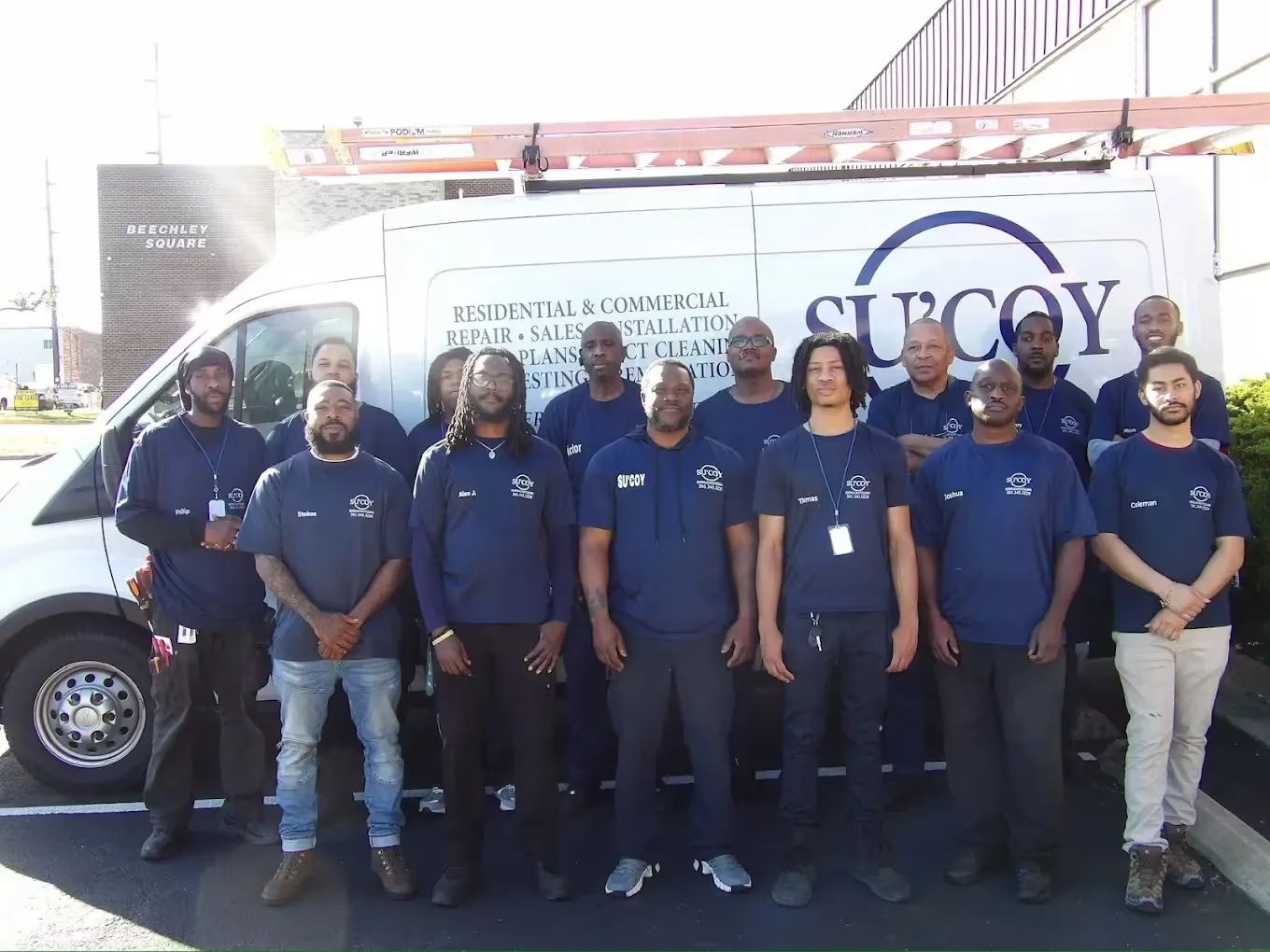
Game changing for my service business. They have truly delivered on all of my expectations. I have seen material increases in the number and the quality of leads.
Most importantly, I feel as though each member of the team is responsive, professional, and highly dedicated and that they have my back through the tough process of growing a service business. Extra shout out to Hareem who is a delight to work with. Highly, highly recommend RS Gonzales!


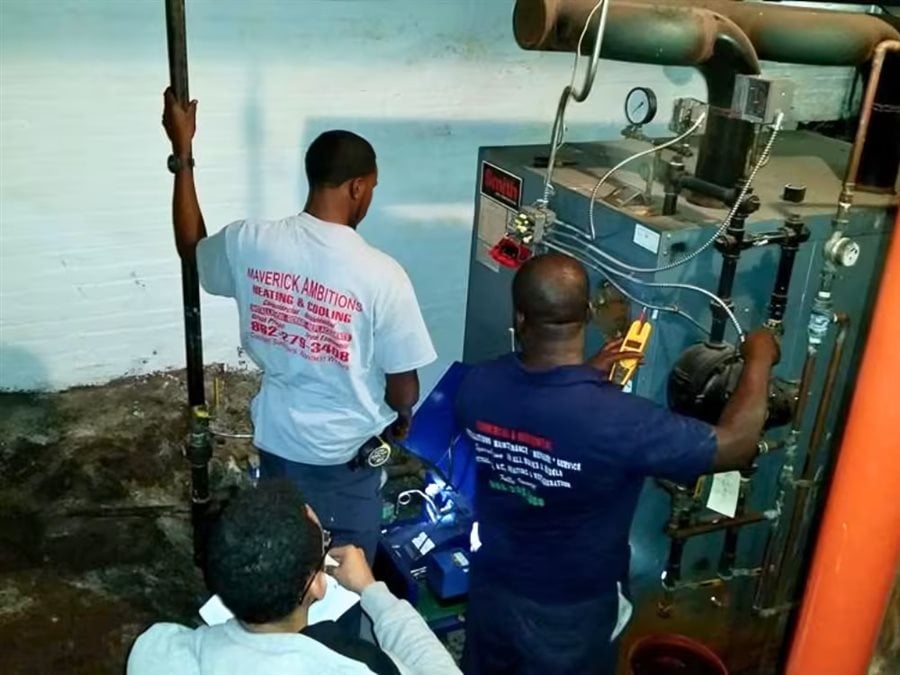
We are incredibly grateful for the amazing experience we've had as clients of RS Gonzales. From the very beginning, Sarah and her team provided us with insightful and actionable advice that has significantly improved our business operations.
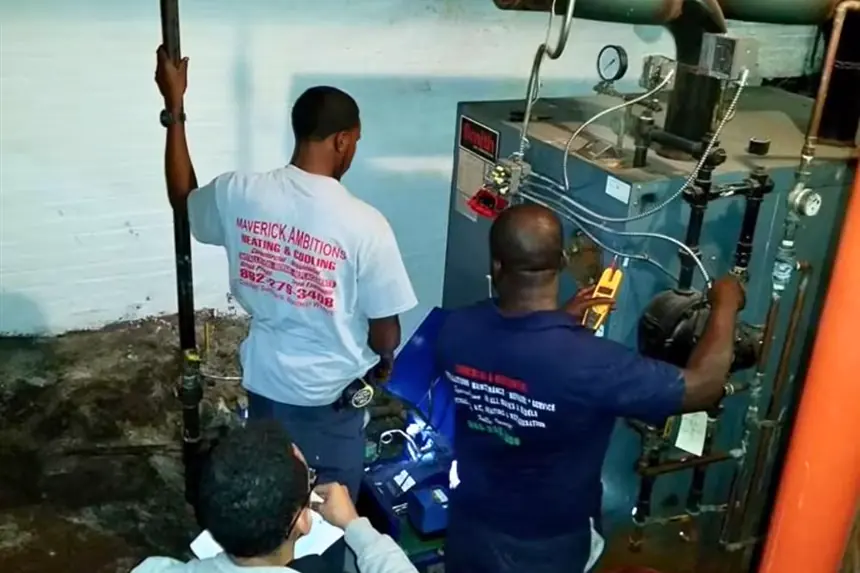
We highly recommend RS Gonzales to any business looking to enhance their performance and achieve outstanding results. Thank you, Sarah, for helping us take Maverick Ambitions HVAC to new heights!

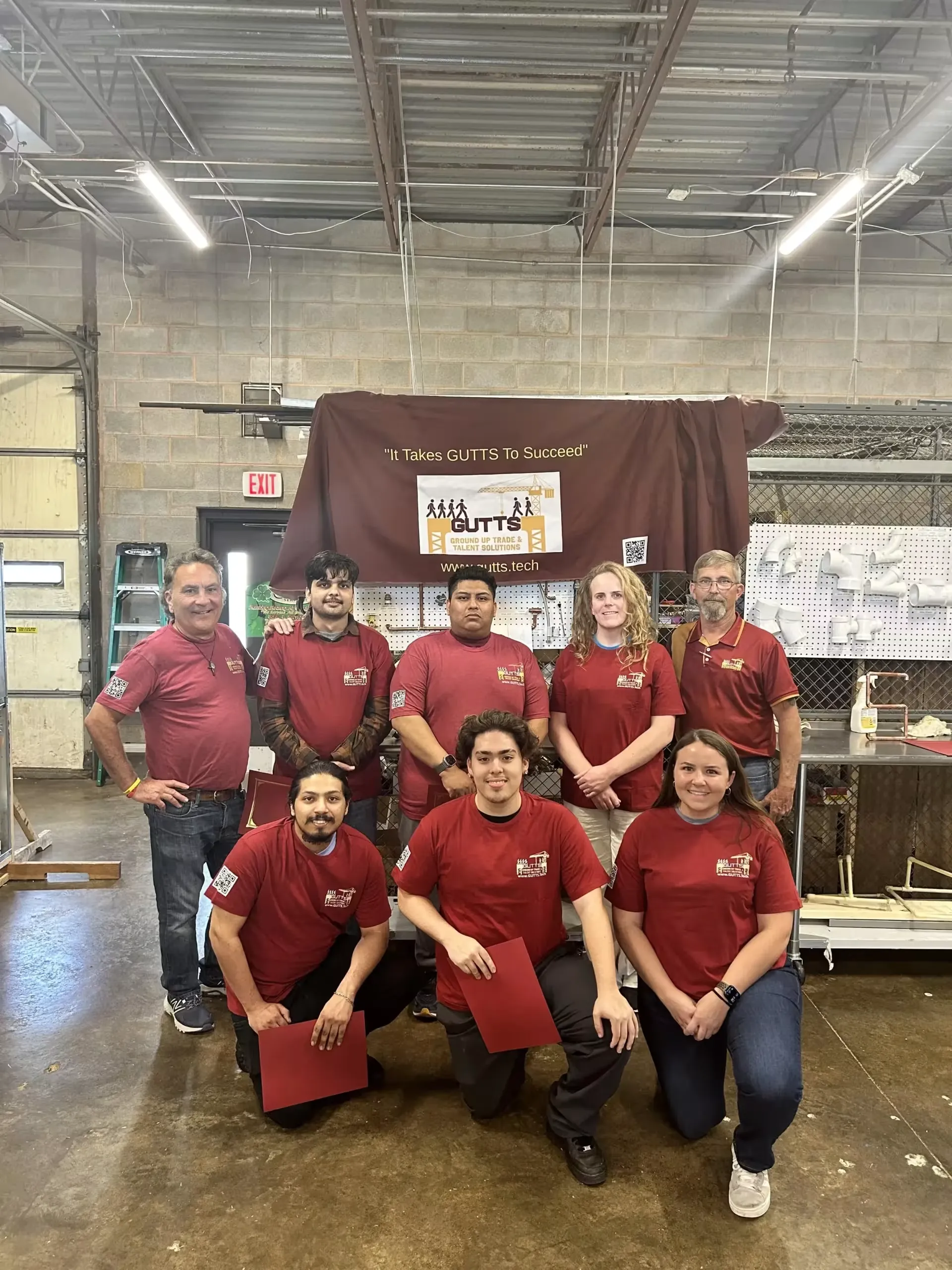
If you're looking to grow an HVAC or plumbing company, you couldn't do better than RS Gonzales. They're so much more than a digital marketing agency for HVAC contractors. They help us with everything from email marketing to social media to Facebook ads to sales. I've learned so much about building our business, and I really appreciate the special attention they give us.
Not a week goes by without us strategizing or fine tuning a campaign. They're really invested in our growth.

The questions contractors ask before they commit a quarter to a new agency — answered straight, including the ones with no comfortable answer.
Book a free strategy session and ask anything about the first 90 days — we'll give you a straight answer on the spot.
Book A CallThe plan is the opening roadmap RS Gonzales uses to organize onboarding, launch work, measurement, and the priorities that follow. The exact services included depend on the growth program and strategy selected for your business.
The milestone framework is consistent, but the exact sequence can change. Existing website quality, account access, approvals, Google verification, market conditions, budget and channel fit all affect timing.
Day 30 is the target when onboarding, access, content input and approvals stay on schedule. Delayed feedback, domain issues, missing credentials or a more complex website can move the launch date.
Paid campaigns can begin producing leads during this period, but no specific day, volume, cost or result is guaranteed. Timing depends on campaign approval, budget, local demand, competition, seasonality and the services being promoted.
SEO, Google Maps, reputation and AI visibility need time to compound. Paid campaigns can create earlier demand and data while those organic foundations grow. The right mix depends on the contractor.
We assess whether the current site can support the strategy. Strong parts may be kept. Weak structure, copy, speed, conversion paths or search foundations may require focused changes or a rebuild.
We review the account structure, search terms, tracking, landing pages, budget and lead quality before deciding what should continue. Existing data can be valuable when it is accurate.
AI systems rely on clear website content, structured information, consistent business details, authority, reviews and credible sources. The 90-day plan begins strengthening those foundations through the website, local presence, reputation, citations and content structure.
The roadmap is tied to the RS Gonzales growth program that fits your business stage and scope — Grow at $2,200 a month, Accelerate at $3,500 a month, or Dominate at $5,000 a month. Review current pricing and program details.
Start with a strategy session. We will review where the business stands, what needs attention first, and whether the 90-Day Growth Plan fits your goals and capacity.
The RS Gonzales 90-Day Growth Plan gives you early priorities, visible milestones, accountable work, and a clear explanation of what each stage is building toward. In a free strategy session we will review where the business stands, what needs attention first, and whether this plan fits your goals and capacity.
Book A Free Strategy SessionWe'll tell you honestly whether the 90-Day Growth Plan is your right next move — even if the answer is not yet.