$2,200/ month
The foundation: Google Business Profile, reviews, organic SEO and light PPC.

Property managers, facility teams, general contractors, and business owners do not panic-click an ad the way a homeowner with a dead furnace does. They evaluate risk, capabilities, and long-term reliability before they ever start a conversation. By the time they call, they have already decided you belong on the shortlist.
RS Gonzales builds commercial HVAC marketing around that reality. Your website, SEO, paid search, authority content, and follow-up work as one system that helps qualified buyers find you, vet you, and feel confident taking the next step.
Want the straight version of what your market needs?
Book A Strategy SessionRather see the gaps first?
Start With A Free HVAC AuditThe Managed HVAC CRM
Leads → quotes → sales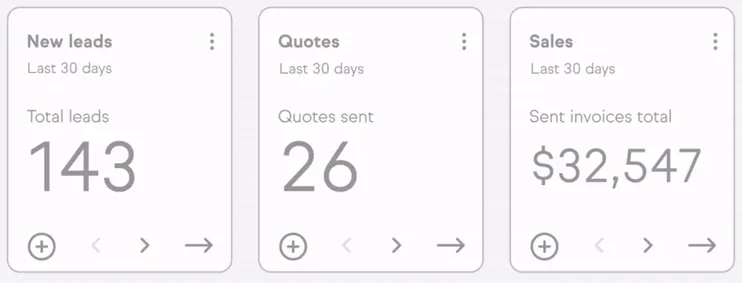
Screens from the HVAC CRM we configure and run for clients. Figures shown are the platform’s own sample data, not a client account — every commercial program includes the same three views, wired to your pipeline stages.
 Commercial & Mechanical Service
Brands We Run Marketing For — HVAC And Home Services Only
Commercial and mechanical contractors, residential shops, duct cleaners, fabricators. No dentists, no law firms, no e-commerce.


















Send over what you do and who you do it for — the accounts you want, the systems you service, the markets you cover. No pitch deck, no pressure.
 Sarah Gonzales · Founder
She looks at your market before you ever get on a call
Sarah Gonzales · Founder
She looks at your market before you ever get on a call
Residential HVAC marketing runs on urgency. Commercial HVAC marketing runs on confidence: the buyer needs to know you understand their equipment, documentation, timelines, and operating demands before they hand you a building.
How To Read This
Every row is the copy doc’s own comparison, word for word.
A residential-looking website, a broad “AC repair” campaign, or a generic landing page sends the wrong signal. Commercial buyers want a marketing experience that matches the standard of the work they are about to trust you with.
Many agencies run the same playbook on every HVAC company they deal with. For a contractor chasing maintenance agreements, replacements, refrigeration work, or facility accounts, that mismatch creates plenty of activity and almost no qualified opportunities.
Broad keywords and loose targeting fill the phone queue with homeowners. Call volume climbs while the commercial pipeline stays flat.
A thin website forces buyers to take your capabilities on faith. When they cannot find relevant projects, systems, industries, or credentials, they have no reason to include you in the next step.
Property managers, restaurant operators, general contractors, and industrial teams do not vet vendors the same way. Generic copy misses the operational concern behind each search.
Commercial deals need several conversations, internal reviews, site visits, and proposals. Marketing has to keep working after the form submission, not clock out at the first call.
The Whole Argument, In One LineCommercial HVAC growth is not about generating the most calls. It is about creating more opportunities with buyers your team is equipped to serve.
Most of this traces back to hiring a generalist who treats HVAC like any other local service. Our guide on how to choose the best HVAC SEO company walks through the warning signs before you sign.
Not sure where your budget is leaking? We will review what buyers see, where inquiries come from, and what deserves attention first.
Find The Gaps In Your MarketingCommercial HVAC is not one audience. The strongest strategy names the accounts you want, the people involved in the decision, and the evidence each of them needs to move forward.

They look for responsiveness, documentation, predictable maintenance, and fewer surprises for tenants and occupants.
What They Need To SeeYour marketing should make your ongoing service capabilities easy to understand at a glance.
They care about coordination, schedules, compliance, submittals, and the ability to perform without disrupting the wider project.
What They Need To SeeProject examples and a clean capabilities presentation build that confidence fast.
Restaurants, retail groups, offices, gyms, and other operators are protecting uptime, inventory, customers, and revenue.
What They Need To SeeThey need to see that you understand what HVAC or refrigeration downtime costs their business.
Medical, industrial, data, and other technical environments run specific equipment with strict operating requirements.
What They Need To SeeClear descriptions of your systems, experience, and service boundaries help these buyers decide whether you belong on the shortlist.
Your website and campaigns should make your strongest fit obvious. The goal is not to sound relevant to every commercial buyer. It is to become the credible choice for the buyers you want most.
Every channel has a different job, but the system should carry buyers through one connected decision.
Discover the company
Verify its capabilities
Start the right sales conversation
A functional website organizes services, industries, projects, credentials, team expertise, and service areas into a clear case for choosing you.
Commercial service pages and search campaigns line up with the systems, facility types, and problems qualified buyers are researching.
Keywords, negative keywords, landing pages, ad language, and conversion paths all work to reduce inquiries that fall outside your commercial focus.
Case studies, capability materials, follow-up sequences, and pipeline visibility keep your team credible and responsive through a longer decision.
Consistent, specific content builds a knowledge base about your company that Google and AI tools can read. That is what helps a system name you when a property manager asks ChatGPT, Gemini, or Google’s AI for a commercial HVAC contractor.
This answer-engine visibility is a core part of how we plan every page, and you can see the mechanics on our AI search optimization page.
When each part has a clear role, you can judge the system by the quality and progression of opportunities instead of isolated channel metrics.
Want a plan built around your accounts, not a template? Get a focused recommendation based on your markets, account goals, and current sales process.
Build My Commercial Growth PlanThree questions commercial owners ask in this order — what the site has to do, what search has to do, and whether paid search can be made to behave. The answers are one program, not three services.
Your website is not a digital brochure. It is the place buyers land after a search, referral, introduction, or bid invitation to decide whether your company can handle the work.
The first screen should say who you serve, what you handle, and where you work. Buyers should not have to dig past residential offers to learn whether commercial HVAC is a core capability.
Dedicated pages can explain your strongest services and systems, from rooftop units and refrigeration to VRF, ventilation, controls, chillers, replacements, and maintenance programs. Writing those pages so both buyers and search engines understand them is its own discipline, which is why we handle the HVAC copywriting for every build.
“Book now” is rarely the right commercial action. Depending on the service, buyers are more comfortable requesting a walkthrough, scheduling an assessment, discussing a maintenance agreement, or asking for a proposal.
Strong commercial websites give buyers something concrete to evaluate. Eight things, and every one of them is a page or a section somebody has to write.
The build itself matters as much as the words on it. Our HVAC website design work plans, writes, builds, and launches a site around the way your customers choose.
Search does work before and after a referral. It introduces your company to buyers with a defined need, and it gives referred prospects the information they need to validate you.
The keyword strategy should reflect the work you want: commercial repair, maintenance, replacements, refrigeration, specific systems, industries, and geographic markets. That produces a smaller but far more relevant search opportunity than broad residential terms. Our breakdown of HVAC SEO keywords shows how commercial systems like RTUs, VRF, and chillers map to searchable demand.
Service, industry, project, and location pages give search engines and AI platforms clearer information about your capabilities. They also give buyers a stronger basis for deciding whether to reach out. Structured, well-planned HVAC SEO turns that content into rankings that compound.
More and more buyers validate a referral by asking an AI assistant before they call. Schema markup and consistent content make it easy for those systems to understand and cite your business.
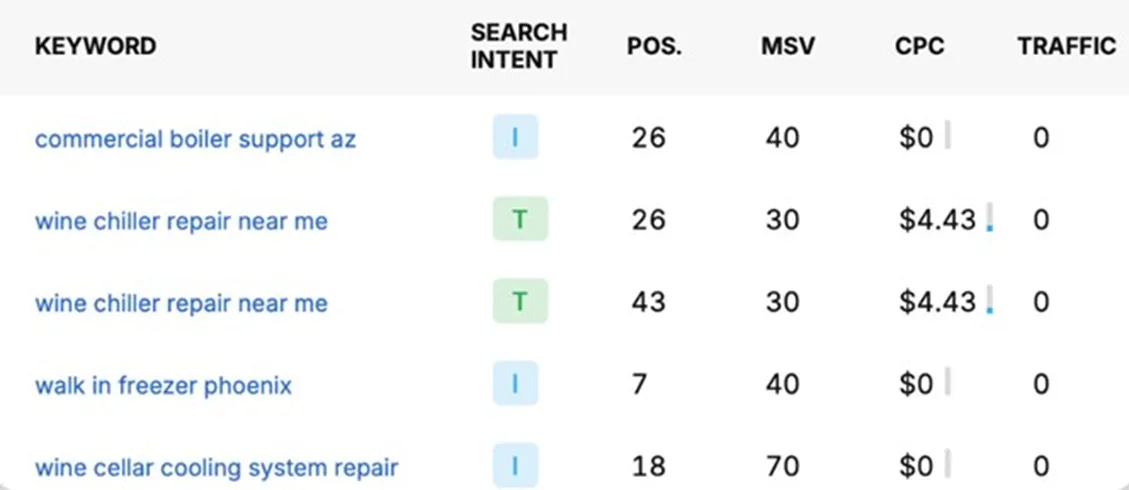
A real panel from the RS Gonzales HVAC SEO audit. Look at the terms, not the totals — boiler support, walk-in freezer, wine chiller, cellar cooling. That is commercial demand, and none of it looks like “AC repair near me”. The distribution chart above the table in the source panel is cropped out on purpose: it is off-palette and it is not the evidence here.
SEO is not only a lead channel for commercial HVAC. It is part of the due diligence that happens every time someone searches your company name after hearing about you somewhere else.
Yes, Google Ads can work for commercial HVAC, but the campaign has to protect commercial intent. Broad targeting will spend the budget on residential clicks before the right buyer ever sees the ad.
Local Services Ads can work well for residential demand, but their categories do not always separate residential and commercial intent cleanly. We recommend them for a commercial contractor only when the service mix, market, and likely inquiry quality justify the spend.
Our HVAC advertising team runs commercial campaigns to that standard, so the budget chases contracts instead of tire-kickers.
The objective is a smaller number of better-fit inquiries, with enough tracking to see which campaigns feed the pipeline.
The seven steps are the copy doc’s own, in its own order. The narrowing is a diagram of filtering, not a measured drop-off — no percentage here is a claim about your account.
Curious what commercial growth costs? Clear scope, clear deliverables, no mystery retainers.
Peek At The Growth ProgramsCommercial relationships still matter. Authority content and sales materials give those relationships stronger support before outreach, during evaluation, and after a meeting.
Where it fits the growth plan, we use LinkedIn and other social media channels to present project work, explain technical decisions, and show how the company thinks. That gives prospects more context when they research the owner or the business.
Project write-ups, case studies, capability pages, and presentation materials help your team explain why it is qualified. Each asset should answer a buyer concern instead of repeating a generic company overview.
The website, ads, social profiles, proposals, and follow-up should feel like one company. Consistent HVAC branding makes it easier for buyers to recognize the same expertise at every stage.
These assets do not replace relationships. They make the company behind the relationship easier to trust.
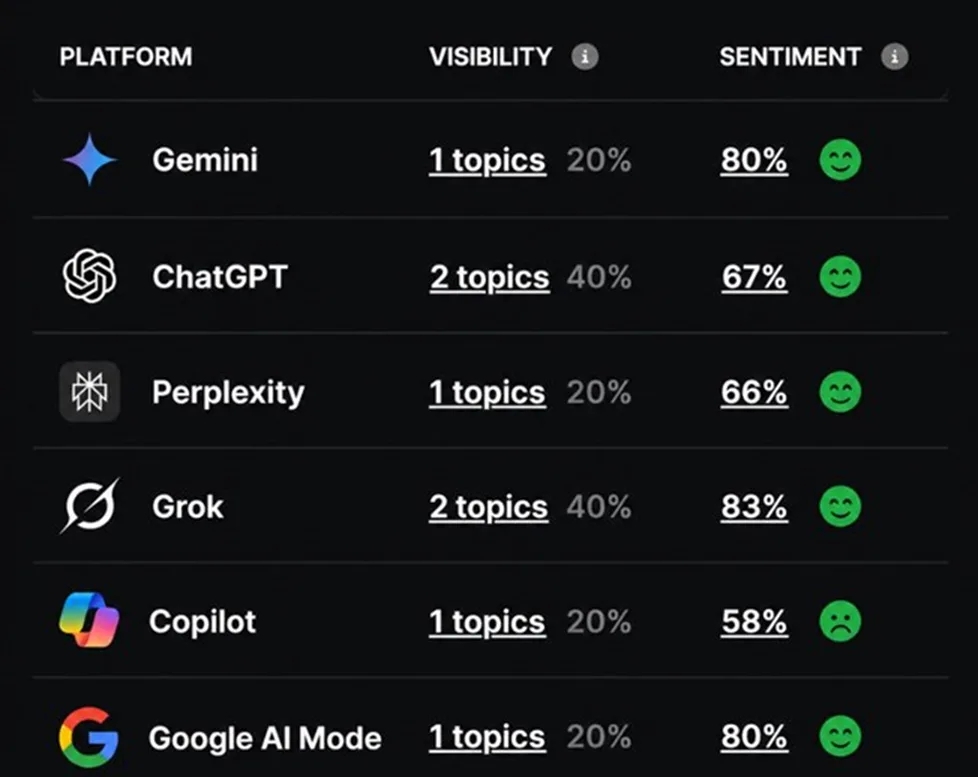
One of the panels in the RS Gonzales HVAC SEO audit: what the assistants actually say when somebody asks about a company. Topic counts and sentiment are the tool’s own readings, shown as an example of the reporting, not a guarantee of results.
Ready to look like the most credible vendor in the room?
Bring your toughest bid, and we will map the marketing around it.
One qualified commercial inquiry can turn into a service relationship, a project, or an account worth far more than a month of marketing. When follow-up lives across inboxes, phones, and personal notes, those conversations are easy to lose.
Our growth programs include a managed HVAC CRM configured around your process.
Depending On The Workflow, That Can Include
Configured per accountThe point is not to hand your team another system to babysit. It is to create a clear path from inquiry to conversation, proposal, and outcome.
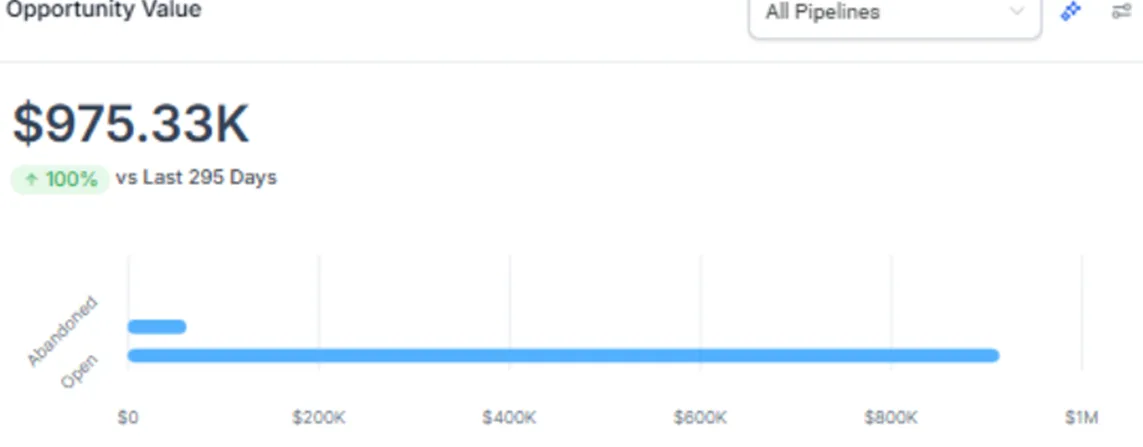
A pipeline view from the HVAC CRM we configure and run. Open opportunity value against the previous 295 days, read straight off the panel — an example of the reporting, not a guarantee of results. This is the number a commercial contractor should be able to see at any time, and the reason follow-up cannot live in an inbox.
Commercial HVAC Contractor
Northern Wolves is a Brooklyn-based commercial HVAC contractor that grew through relationships and general contractor referrals. Its limited website did not reflect the breadth, technical capability, or quality of the company’s work.
A referred buyer could hear a strong recommendation, visit the website, and still leave without enough information to evaluate the company. The digital presence created a gap between how Northern Wolves operated and how it looked online.
We rebuilt the website around commercial capabilities, expanded the service structure, and created space for project and industry proof. We also strengthened search visibility and owner-led authority so the company presented credibly in new markets.
What Changed, Structurally
The right-hand column is only what the copy doc names, in its own words. It carries no figures on purpose — the source states none for this account, and results are the client’s to publish.
The lesson is simple: commercial marketing works best when the digital presence catches up with the quality of the contractor behind it.
Want to see what this could look like for your company? We will pinpoint the proof, pages, and channels that would make the biggest difference.
Claim My Commercial HVAC AuditCommercial HVAC marketing needs early movement without pretending a complex sales cycle turns into signed accounts overnight. We use the first 90 days to set the foundation, launch priority channels, and improve the system with evidence from your market.
How To Read The Chart
Each bar is that phase’s own day range, placed on a single 0 to 90 day axis. The three overlap and the last one is two thirds of the quarter — which is the point the copy is making about a longer sales cycle.
The First 90 Days, On One Axis
Day ranges are the copy doc’s ownBy Day 90, the goal is a working commercial growth system with clear priorities for the next stage. Results depend on your market, budget, starting point, sales capacity, and the length of your buying process. Every bar above is a day range divided by 90 — there is no forecast on this chart.
The growth team learns your market, differentiators, service mix, account goals, and current sales process. Website strategy and copy begin, tracking is planned, access is organized, and priority campaigns are mapped.
Paid campaigns start where they fit, and the website moves through design, build, and launch. Commercial targeting, landing pages, CRM capture, and initial follow-up connect so inquiry quality can be measured.
Campaign data sharpens, website behavior gets reviewed, and SEO content starts building broader commercial visibility. The team refines targeting, content priorities, proof, and follow-up based on what is attracting the strongest opportunities.
The tier is set by where your business is today. Always: 0% markup on ad spend, no setup fees, and a 30-day money-back guarantee.
The foundation: Google Business Profile, reviews, organic SEO and light PPC.
Adds Google PPC, Meta retargeting and the content engine.
The full stack, through to CRM, email and attribution.
Not sure which tier fits a commercial service mix? A strategy session takes 30 minutes and gives you a straight answer — no pressure.
The program fee and your ad spend are two separate things. Whatever the campaigns spend, you pay Google directly, at cost.
Compare what each program includes before your strategy session — and see where a commercial channel mix sits inside it.
See The Full Program Breakdown
A homeowner calls whoever answers first. A property manager calls the company that already looks equal to the building.
That difference is the whole page. By the time a facility team or a general contractor rings you, they have read your site, looked for projects like theirs, checked whether you are licensed and bonded, and asked somebody about you. The marketing either did that work or it did not.
So the questions I ask a commercial contractor are about the bids you did not win. What did the buyer see before the walkthrough, where did they go to check you, and what did they not find? Those answers put the build in order faster than any template does.
None of it is quick. A longer sales cycle means the proof has to be in place before the conversation starts — which is why we build the credibility first and let the campaigns chase it, not the other way round.
We've been working with this marketing agency for almost a year now, and the experience has been nothing short of excellent. They're reliable, innovative, and consistently deliver results that align with our goals. A great partner for long-term growth.
What truly sets them apart is their proactive communication and ability to pivot with our needs. They don't just execute tasks; they provide strategic insights that keep us ahead of market trends. It is a relief to work with a team that treats our success as their own.

Game changing for my service business. They have truly delivered on all of my expectations. I have seen material increases in the number and the quality of leads.
Most importantly, I feel as though each member of the team is responsive, professional, and highly dedicated and that they have my back through the tough process of growing a service business. Extra shout out to Hareem who is a delight to work with. Highly, highly recommend RS Gonzales!

We are incredibly grateful for the amazing experience we've had as clients of RS Gonzales. From the very beginning, Sarah and her team provided us with insightful and actionable advice that has significantly improved our business operations.
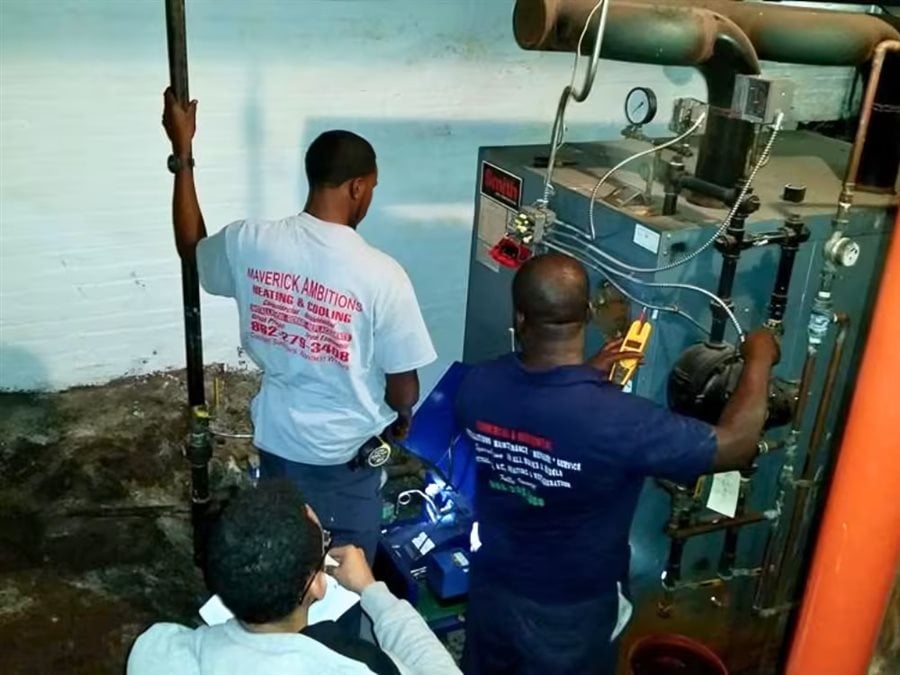
We highly recommend RS Gonzales to any business looking to enhance their performance and achieve outstanding results. Thank you, Sarah, for helping us take Maverick Ambitions HVAC to new heights!

If you're looking to grow an HVAC or plumbing company, you couldn't do better than RS Gonzales. They're so much more than a digital marketing agency for HVAC contractors. They help us with everything from email marketing to social media to Facebook ads to sales. I've learned so much about building our business, and I really appreciate the special attention they give us.
Not a week goes by without us strategizing or fine tuning a campaign. They're really invested in our growth.

The best results come when the strategy matches your capabilities, your target accounts, and your capacity to follow through.
We will also tell you when a channel does not suit your service mix. The strategy should be built around the accounts you can serve profitably, not a standard checklist.
Want to compare investment levels first?
See what each level of commercial growth includes.
Compare The ProgramsRelated Reading For Commercial HVAC Owners
Three guides that go deeper than a page like this can.
Explore Related Industries
The trades and owners a commercial contractor works alongside.
Not sure which of these you are? The parent page sorts every kind of HVAC company we work with by how its customers buy — and shows where commercial sits against the rest.
All The Industries We ServeThe questions that come up on nearly every commercial strategy call — answered straight.
Book a free 30-minute strategy call and ask anything — bring your toughest bid and we’ll map the marketing around it.
Book A CallYes. Especially small businesses and property managers. SEO also helps close referrals because buyers validate you online before they commit.
Yes, when campaigns are built to filter. Commercial PPC needs keyword precision, negatives, and commercial landing pages to block residential intent.
Usually not as a main channel for pure commercial work. LSAs often skew residential. We only recommend them when they match your service mix.
Project proof, industries served, clear commercial service pages, licensing and insurance information, and strong “Why Us” messaging built for B2B buyers.
Often, yes. LinkedIn helps build owner authority, strengthens trust, and supports outbound sales conversations.
A premium website plus tightly targeted Google Ads and sales materials. That combination helps you win better opportunities faster.
Your company should not look like a residential contractor with a commercial page bolted on. It should give buyers a clear, credible reason to include you in the next conversation.
In a commercial HVAC strategy session, we will review the accounts and markets you want to pursue, what your website communicates today, whether SEO and paid search match commercial intent, which proof is missing from the buying process, how inquiries move through follow-up, and what belongs at the top of your first 90 days.
The right marketing does not chase more calls. It builds the credibility that wins the accounts worth having.
Let’s build it around your accounts.
Grab Your Strategy SessionNo pressure. A clear assessment of what deserves attention next.
Prefer to start with a diagnosis?
Or Start With A Free AuditSee exactly where commercial buyers lose confidence today.
0% markup on ad spend, no setup fees, 30-day money-back guarantee.